
AI can code. Why learn the basics?
AI writes the code.You sign for it.
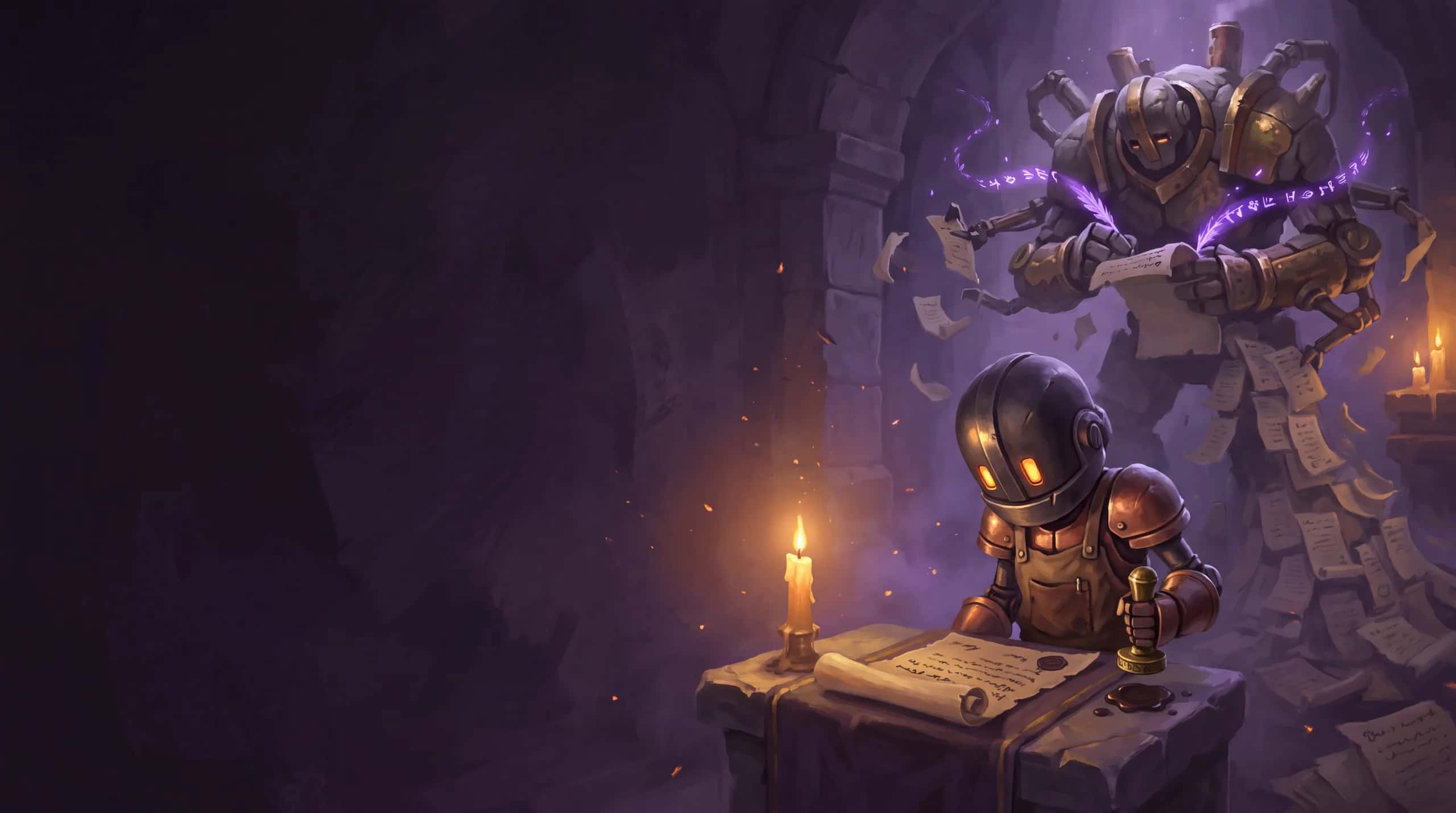
Because AI writes code, not accountability. You can't catch a bug in review if you don't know it can exist — and in the AI era, review is the job. When a real payment fails, nobody accepts "the prompt did it": the question lands on you.
What working code hides
On every chain, people are shipping to mainnet, raising capital and holding other people's money without knowing the basics of what they built. Close the AI tab, ask why it works, and it goes quiet.
Your turn. The AI tab stays closed.
Trustlines
Your app sends USDC to a user's just-created account. It fails. What's missing?
Reveal the answer
A trustline: the account's on-ledger opt-in to hold one asset from one issuer. The account itself signs a change_trust, which locks one base reserve (0.5 XLM). Without a trustline, a classic payment fails with op_no_trust: that account never agreed to hold USDC.
Taught in · Accounts, Trustlines & Assets →Transaction lifecycle
Your app tells the user: "Failed, so nothing was charged." Is that true?
Reveal the answer
Not always. Rejected at the door (bad signature, bad sequence, fee too low): nothing charged. But included in a ledger with a failed operation? Effects are reverted, yet the fee is charged and the sequence number spent. That envelope is dead: rebuild, re-sign.
Taught in · The Transaction Lifecycle →State archival
Your contract stores user balances, and their TTL runs out. Where's the money?
Reveal the answer
Depends on the storage you chose. Persistent and instance entries are archived, not lost: they come back intact for a fee. Temporary entries are deleted, with no restore at any price. Keep balances there and the record of who owns what is gone for good.
Taught in · State Archival & Fees →
Blank on all three? That's a starting line, not a verdict. Every answer is a free chapter on a trail that starts at zero.
AI multiplies what you know. A thousand times zero is still zero.
TUSST uses AI too: a mentor for hints, an examiner for your specs. The tool was never the enemy; signing what you don't understand is. Stellar moves real money: payments, remittances, stablecoins. TUSST forges Stellar's next generation: builders who answer for every line.
Learn what you signThe Cast
Choose Your Hero
Seven champions walk the island — one of them is you. Every mission you clear earns XP, and each level grows your hero through eight forms, from apprentice to legend. Cosmetic only: your pick gates nothing.
STROOWARRIORWarrior of the AnvilSTROOWARRIOR — hero 1 of 7
- Apprentice
- Squire
- Warrior
- Vanguard
- Knight
- Champion
- Warlord
- Solar Champion
8 forms · they grow as you level up
The world map
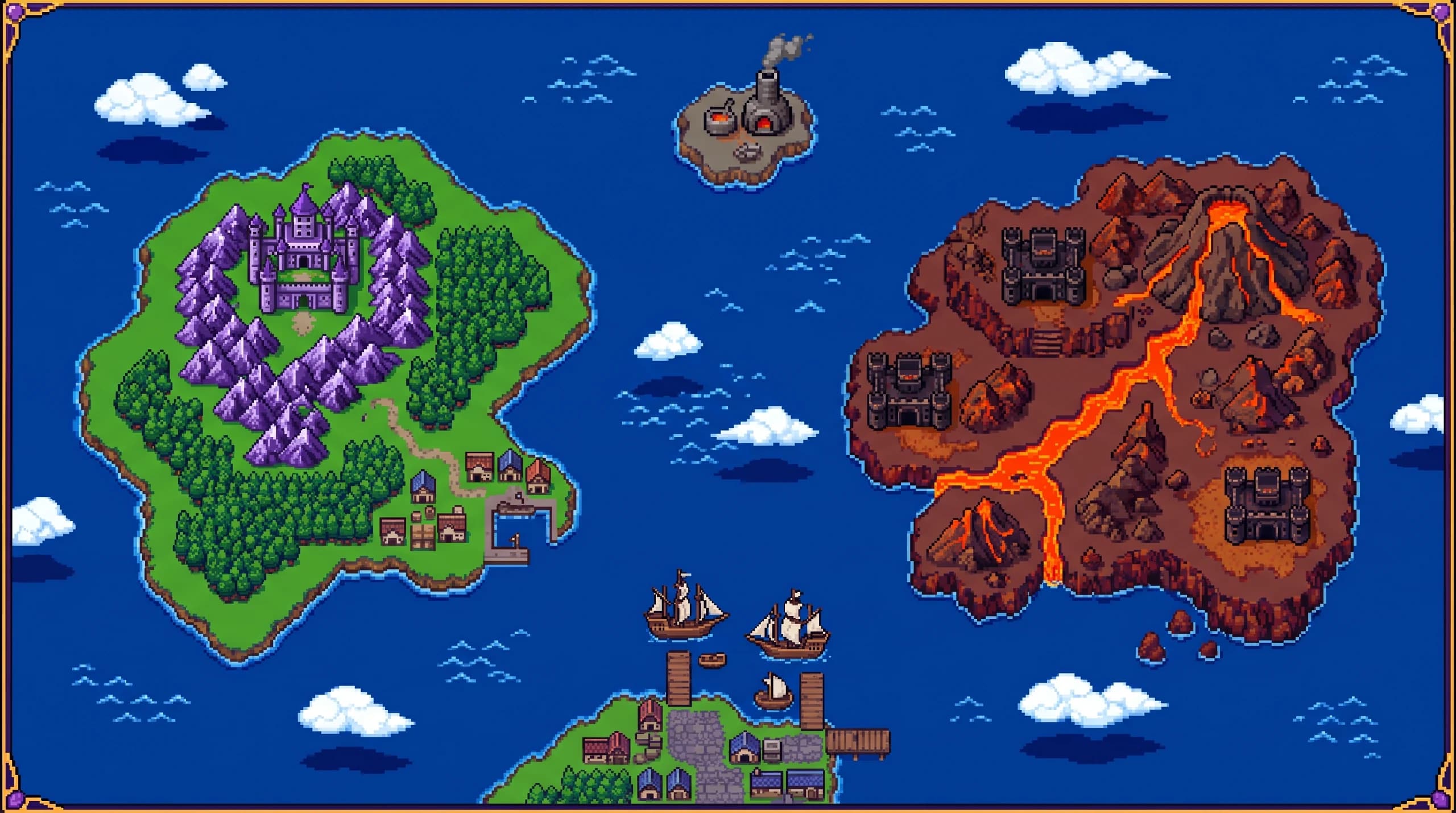
Three islands.Start with the first.
The Builder's Journey is the way in: the fundamentals, how Stellar really works, and the craft AI can't do for you — every mission open from day one. The Rusted Isle and the Harbor are there when you want to go deeper.
Start here
Isle of the Builder
The Builder's Journey
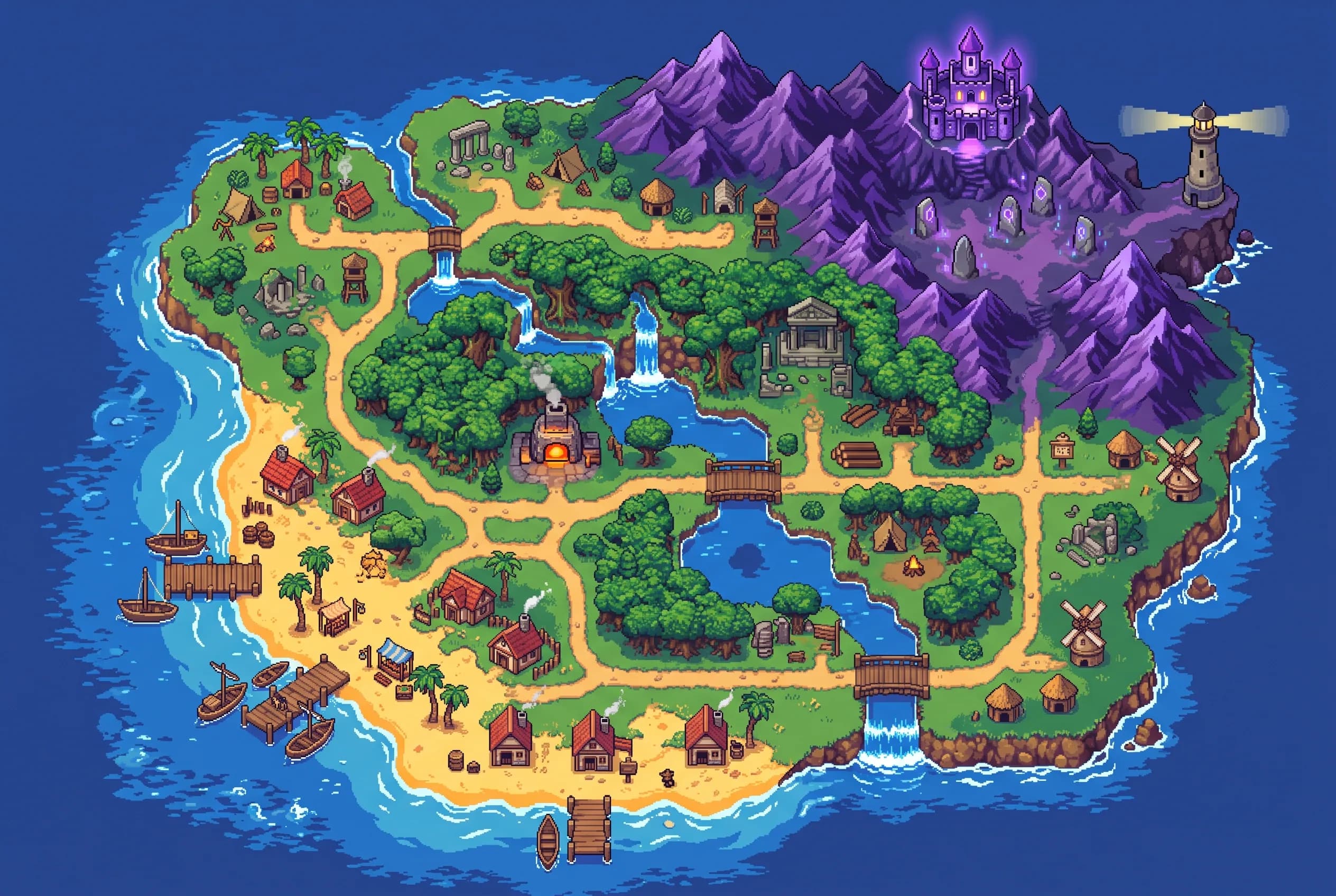
Thirty-three missions in three regions: the Shore of Foundations, the Craft Woods and the Stellar Highlands. Every mission is open — walk wherever you're curious.
Optional
The Rusted Isle
Rust Campaign
Eight fortresses along one road, from your first line of Rust to Soroban contracts. Clear a fortress to open the next stretch of road.
Go deeper
The Harbor
Advanced Path
Rust systems engineering at production depth. No story, no gates.
no login · no setup
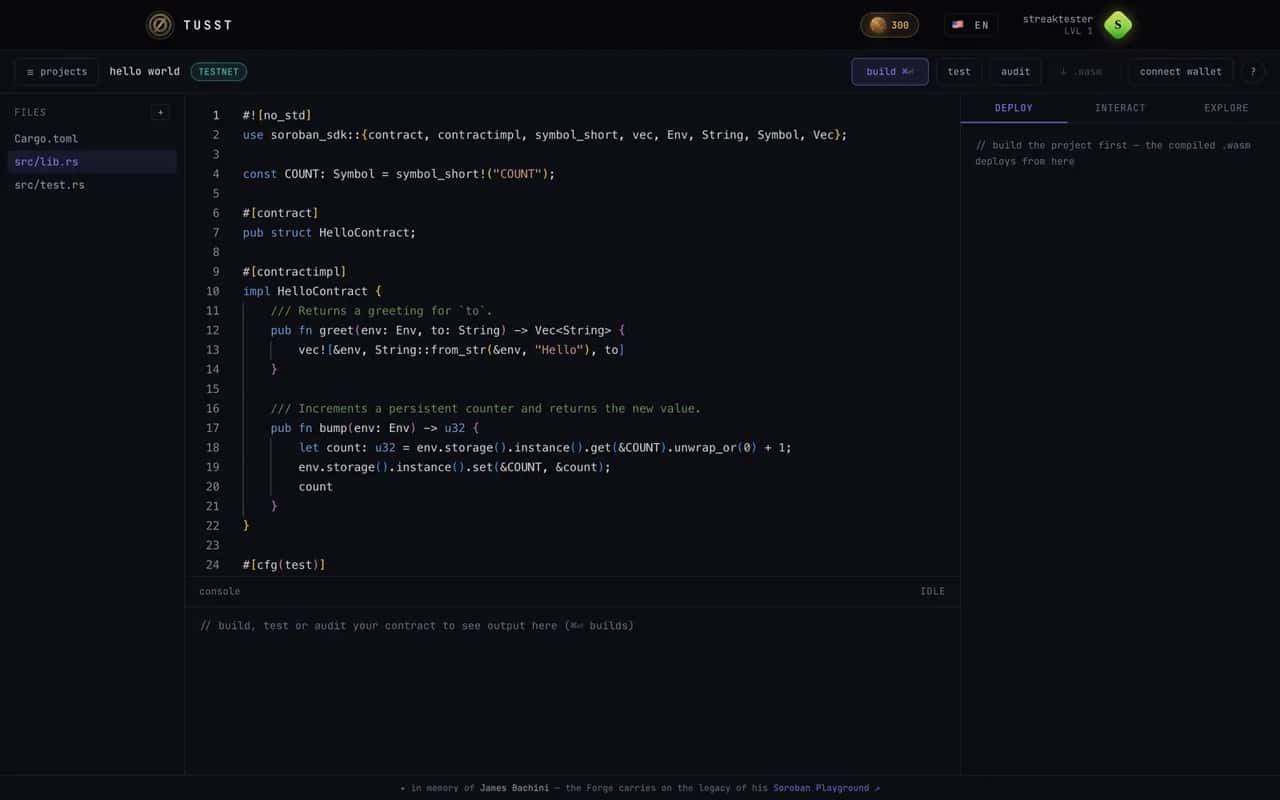
The Forge
Is Open
A full Soroban smithy in your browser: write, compile, test and deploy real contracts to the testnet — with Raven, the AI mentor, croaking hints whenever a run fails.
Open the Forgeno login